When a child shows signs of autism, the first question that pops up is often, “How do I get a diagnosis?” While the diagnostic tools themselves are fairly consistent, the surrounding paperwork, funding, and support services can vary wildly from one state to another. In this article, we’ll unpack how autism diagnosis and state regulations intersect, why that matters for families, and what practical steps you can take to navigate the maze.
Why State Regulations Matter
Imagine trying to find a specific book in a library where every shelf is labeled differently. That’s essentially what parents feel when they cross state lines for autism services. State regulations dictate:
- Which professionals are eligible to diagnose (e.g., psychologists, developmental pediatricians). What insurance policies cover for diagnostic evaluations and ongoing therapies. How long it takes to get a formal diagnosis. What educational accommodations schools must provide once a diagnosis is confirmed.
Because these rules are set at the state level, a diagnosis in Texas can unlock a different set of resources than the same diagnosis in New York.
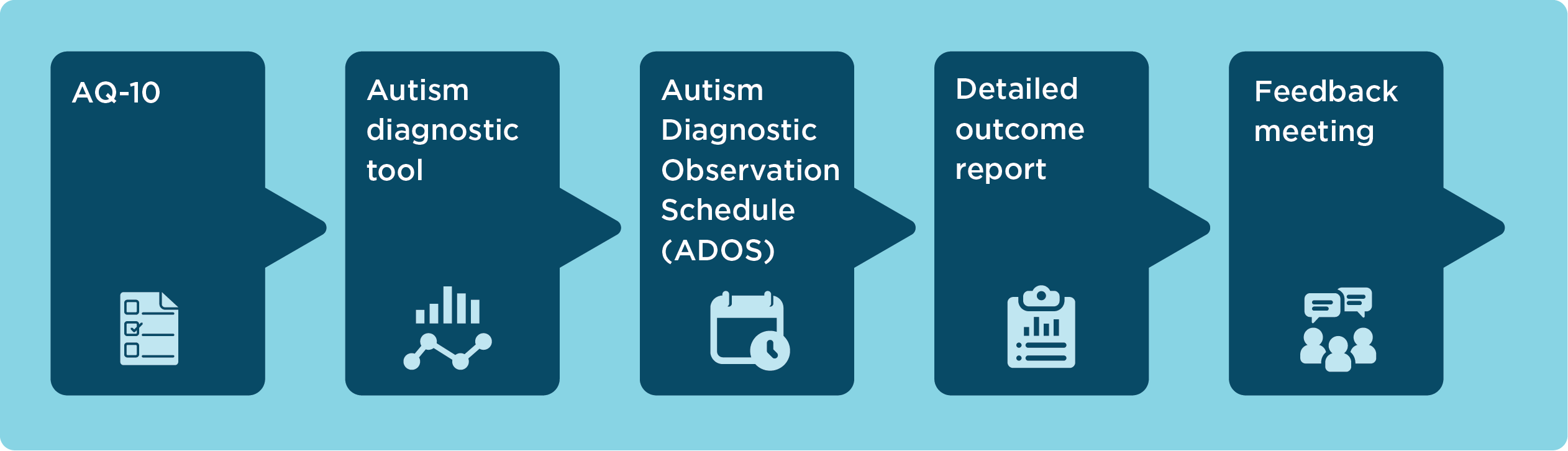
The Diagnostic Process Across States
The core diagnostic criteria—based on the DSM‑5—are the same everywhere, but the implementation can differ.
Standardized Testing
- ADOS‑2 (Autism Diagnostic Observation Schedule): Most states require this gold‑standard tool, but some allow alternative assessments if ADOS‑2 isn’t available. ADI‑R (Autism Diagnostic Interview‑Revised): Often paired with ADOS‑2, but again, availability varies.
Timing and Waiting Lists
- In states with high demand, parents may wait 6‑12 months for an evaluation. Some states offer expedited pathways for high‑risk children (e.g., those with developmental delays).
Professional Scope
- Psychologists: Must hold a state‑approved license and typically perform both testing and diagnostic reporting. Pediatricians: Many states allow developmental pediatricians to diagnose, but they may need a psychologist’s review for insurance purposes.
Insurance and Funding
- Medicaid coverage for diagnostic services differs; some states cover the full cost, others require copays. Private insurers may have varying policies on what constitutes “medical necessity.”
Navigating School and Service Eligibility
Once a diagnosis is in hand, the next frontier is the school system. State regulations again play a pivotal Difficulty with transitions role.
Individualized Education Plan (IEP)
- Every state must provide an IEP, but the content and process can vary. Some states require a minimum number of therapy hours per week; others leave it to the school district.
Early Intervention Programs
- Early Start: In many states, children under three receive services through the Early Start Program. Early Childhood Intervention (ECI): Eligibility and funding thresholds differ, so a child who qualifies in one state may not in another.
Transition Services
- States differ on when and how to start transition planning (e.g., from high school to post‑secondary life).
Common Challenges and Practical Tips
Challenge: Fragmented Information
Parents often feel like they’re chasing a moving target.
**Tip :
- Create a “state‑specific factsheet” that lists key dates, contacts, and required documents. Use a spreadsheet to track deadlines for IEP meetings, Medicaid renewals, and therapy appointments.
Challenge: Limited Local Providers
If the nearest qualified psychologist is 100 miles away, the wait can feel endless.
Tip : Ask for tele‑health options; many states now allow remote assessments, especially post‑COVID. Look for regional autism centers that offer mobile services. Challenge: Funding Gaps Even with a diagnosis, families may still face out‑of‑pocket costs. Tip**:- Apply for state‑specific grants or scholarship programs; many states have dedicated autism funds. Reach out to local advocacy groups—they often have lists of available financial assistance.
Anecdote: Maya’s Journey
Maya was nine when her mother, Lila, first noticed her daughter’s difficulty with eye contact and repetitive hand movements. After a routine check‑up, Lila was referred to a developmental pediatrician. In their state, the pediatrician could diagnose on the spot, Helpful hints but in a neighboring state, an additional psychologist evaluation was required. The extra week meant Maya missed a crucial early‑intervention slot. Lila’s frustration turned into action: she joined a parent‑advocacy group that lobbied for streamlined diagnostic pathways. Today, that group has helped hundreds of families cut waiting times by half. Maya’s story reminds us that the regulatory framework can either be a roadblock or a bridge—depending on how we navigate it.
Quote
> “A diagnosis is not a verdict; it’s a roadmap.” – Dr. Emily Carter, Pediatric Neuropsychologist
The metaphor holds: a diagnosis maps the terrain, but state regulations are the road signs that tell you where you can go and how fast you can travel.
Rhetorical Questions
- Ever wondered why a child’s diagnostic journey feels like a relay race that changes hands at every state line? How many families have had to start over because the paperwork they submitted in one state didn’t match another’s requirements?
Future Trends and Advocacy
The landscape of autism diagnosis and state regulations is evolving.
- Standardization Efforts: Several states are collaborating to create a national diagnostic registry, aiming to reduce duplication and improve data sharing. Tele‑health Expansion: More states are codifying tele‑health as a reimbursable service for diagnostic evaluations. Policy Advocacy: Parent coalitions are increasingly influencing legislation to close gaps in funding and service delivery.
Families who stay informed and engage with advocacy groups can help shape policies that make the diagnostic process smoother for everyone.
Charting a Clear Course
Navigating autism diagnosis and state regulations can feel like sailing through foggy waters. But with a reliable map, the right crew, and a clear destination, you can guide your family toward the support they deserve.
Start Early: Spotting early signs and seeking an evaluation sooner reduces waiting time and opens up early‑intervention benefits. Know Your State’s Rules: Gather a list of required professionals, insurance coverage details, and school‑system procedures. Build a Support Network: Connect with local parent groups, therapists, and advocacy organizations. Stay Organized: Use spreadsheets, checklists, and reminders to keep track of deadlines and appointments. Advocate for Change: Share your story with policymakers; collective voices can lead to more uniform regulations and better resources. In the end, the goal is simple: a diagnosis that unlocks the right services, a school plan that meets your child’s needs, and a future where every child can thrive. By understanding the interplay between autism diagnosis and state regulations, families can turn a complex maze into a clear, actionable path.
*Ready to take the next step? Reach out to your local autism center or state health department to learn how to streamline your diagnostic journey.*
